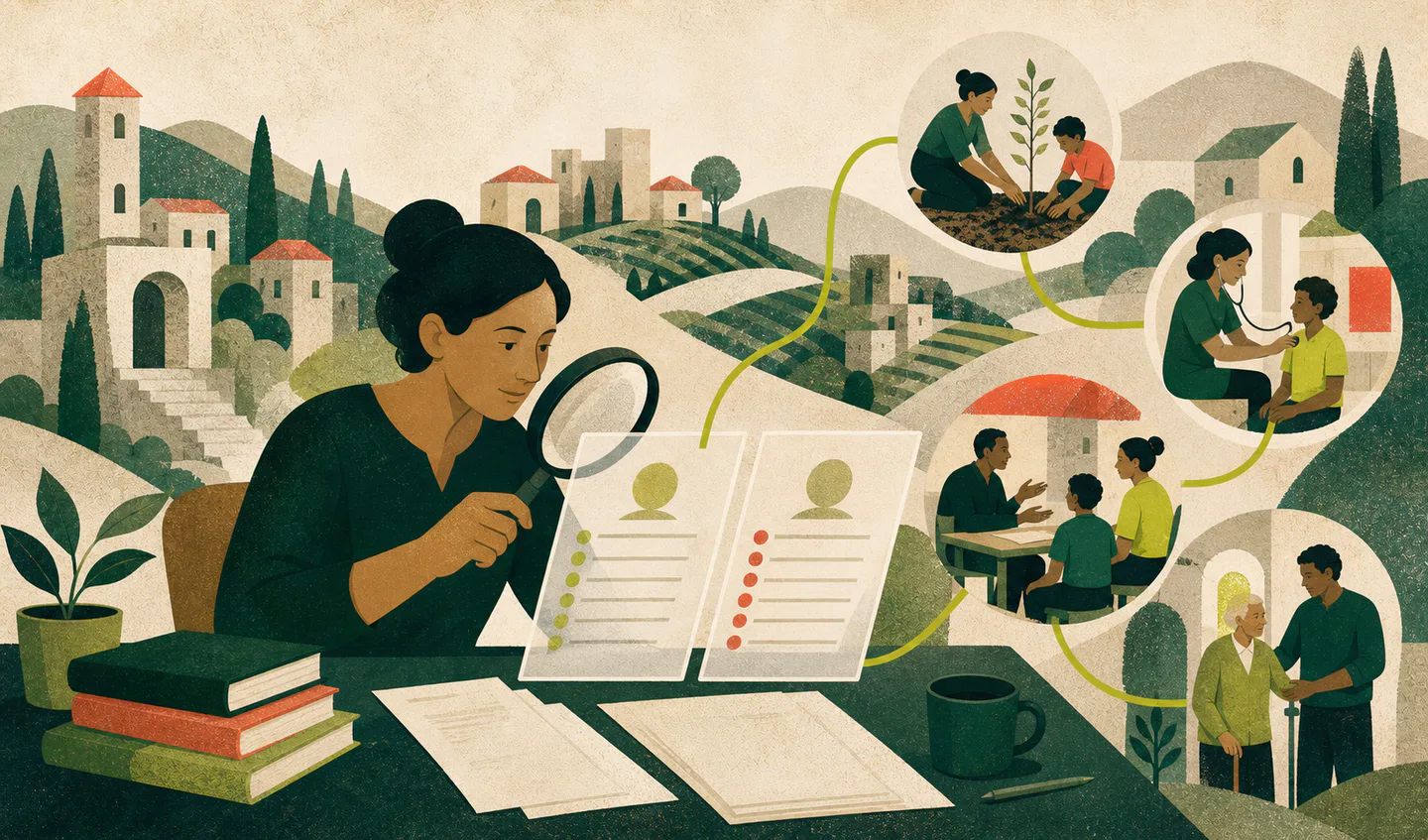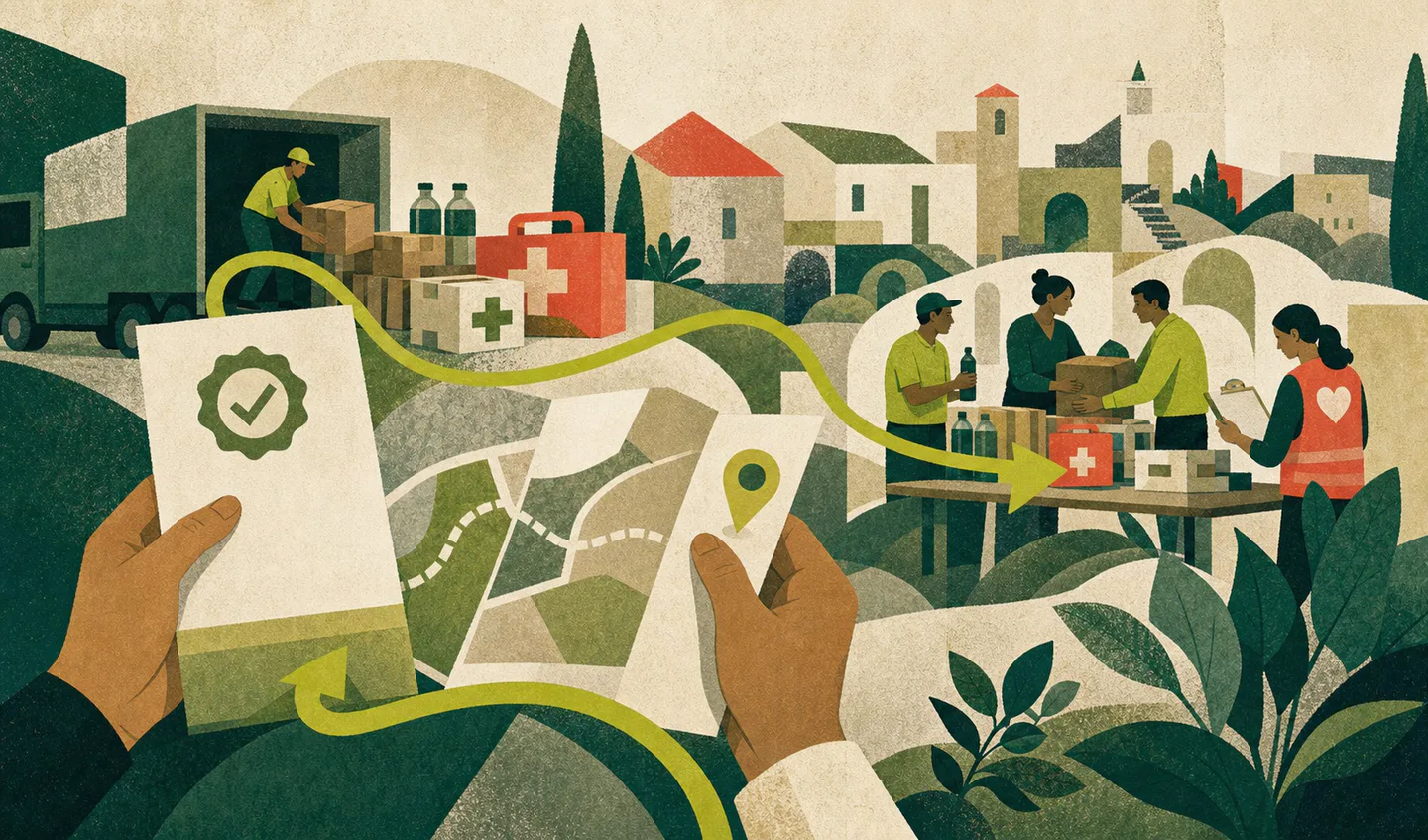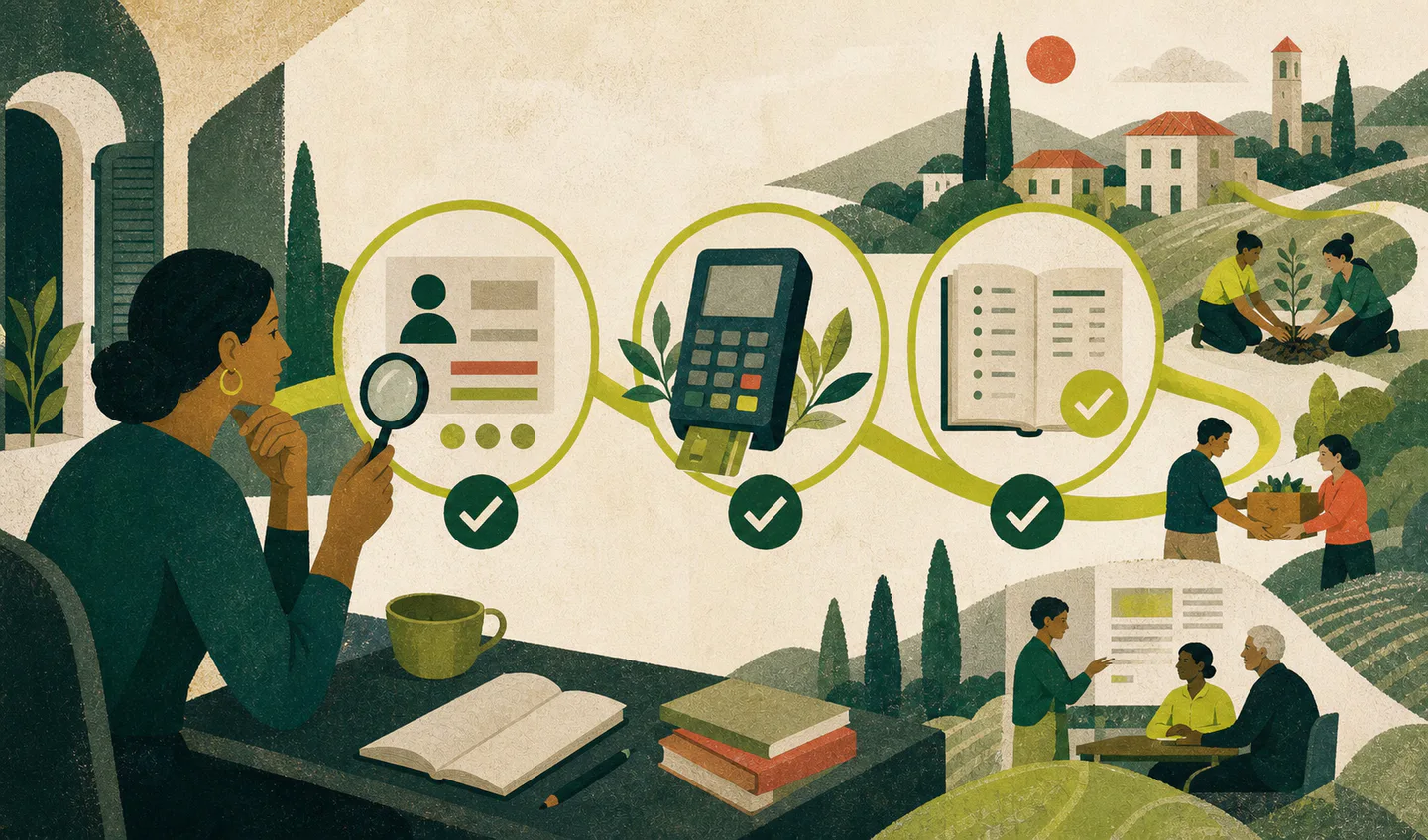
Donation scams have cruel timing: they strike hardest precisely when people are most generous. After an earthquake, flood or humanitarian crisis, fake fundraisers appear within hours, riding emotion and urgency. The good news is that protecting yourself is quick and simple and does not require mistrusting everyone. A few checks dramatically reduce the risk that your help ends up in the wrong hands.
Why donation scams work
Fraudsters exploit three levers at once: emotion, through a moving story or powerful image; urgency, with messages such as “give now or it will be too late”; and trust, through a name or logo that resembles a familiar organization. They are the same levers used in any scam, but here they hurt more because victims are trying to do good — and often never realize they have been deceived, believing they helped someone.
The principle that protects you from most scams is simple: a genuine cause withstands a two-minute check; a scam depends on you not making one.
The most common scams
Fake fundraisers after an emergency. These are the most widespread: pages, posts and messages imitating real organizations at the moment when attention is high and checking is low. They often reuse genuine photographs taken from elsewhere and credible names. The appearance is perfect; there is no organization behind it.
Cloned pages and phishing. A donation page is copied almost perfectly, with one incorrect detail in the address, and reached through a link received by email, text or message. You enter card details believing you are on the right site, but give them to a stranger.
Impersonation on social media. Profiles copy a known organization’s name and image, then collect money through private messages while creating urgency tailored to you.
Fake representatives. On the street or at the door, people claim to collect for a cause but cannot be identified, carry no organization material and demand cash immediately without issuing a receipt.
Opaque personal fundraisers. Generic campaigns have no recognizable organization behind them and do not make clear who manages the money or where it goes. They are not all scams, but they can be very difficult to verify.
Unusual payment requests. Gift cards, phone credit and cryptocurrency are powerful warning signs. Stop and verify through official channels before proceeding.
The three checks before donating
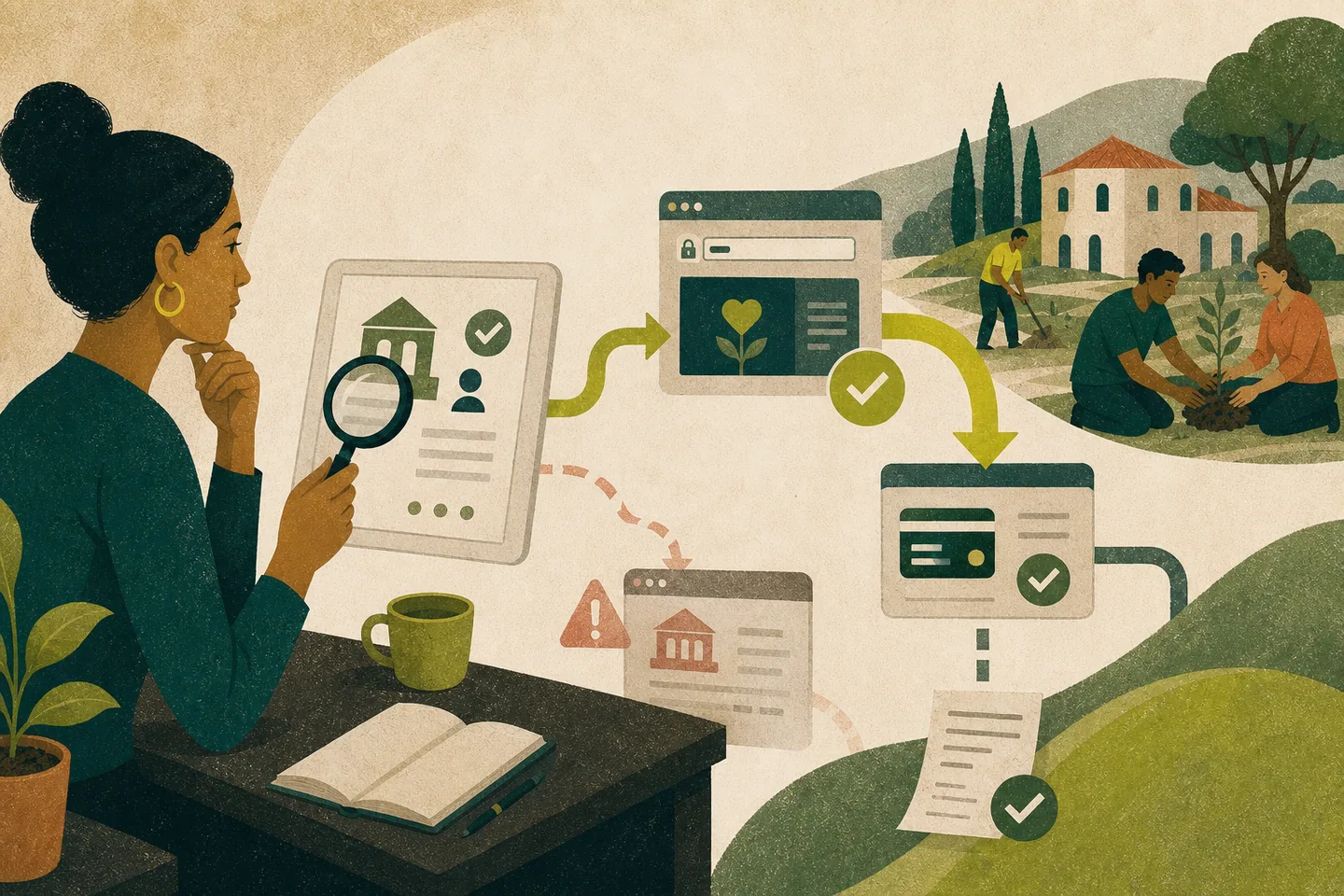
You do not need an investigation. Three checks take about two minutes.
Does the organization really exist? If it presents itself as an ETS, APS or ODV, search for it by name or tax code in the RUNTS organization search. If it claims to receive 5x1000, check the official 5x1000 lists as well. More generally, confirm that it has an official website and verifiable information, not only a page created yesterday.
Is this the official channel? Reach the donation page by typing the address yourself or starting from the organization’s official website, never from a received link. Check that the address is correct and the connection secure before entering any information.
Is payment traceable? Prefer bank transfer, card or recognized payment systems to cash, especially when the fundraiser cannot be identified or provides no receipt. Traceability protects you and, when the organization is an ETS and the relevant conditions are met, may qualify you for tax relief.
How to recognize a serious fundraiser — or representative
Protection is not only about spotting bad signs; it also means knowing the good ones. A reliable appeal clearly states who is collecting, for what purpose and how the funds will be used; it points to an identifiable, verifiable organization; and it offers a traceable payment method and a receipt. A legitimate representative can likewise be identified, carries organization material, does not rush you and does not demand cash without a receipt. If in doubt, the right move is always the same: note the organization’s name and donate independently through its official channels. A real cause will still be there tomorrow.
Crowdfunding and platforms: who manages your money?
Fundraisers on platforms and social media are often legitimate and effective, but add a step between you and the beneficiary. Before giving, ask: is the recipient organization named and identifiable? Does the platform retain a fee, and how much? What proportion of the amount actually reaches the organization? Serious campaigns disclose this openly; opaque ones do not.
Warning signs
None proves anything alone, but the more appear together, the more reason you have to stop: excessive urgency; requests for cash or untraceable methods; a vague mission full of emotion and no specifics; no accounts or verifiable information; a name or logo almost identical to a familiar organization; unsolicited contacts; and pages with strange addresses or no secure connection.
A typical case. You receive an email that appears to come from an organization you already support — the same logo and tone — with a link to “renew your donation”. The page is identical to the original, but the address differs by one letter. Anyone who clicks hands card details to a stranger. There is one antidote: do not click the link; reach the official website by typing the address yourself.
Protect your data as well
A donation involves personal data. A responsible organization explains how it uses them and lets you object to uses you have not authorized. Be wary of anyone who overwhelms you with requests after one donation or passes your details on. For regular donations, review your bank statement occasionally to ensure charges match your authorization.
If you think you have been deceived
It happens, and it is not the fault of your generosity. Act quickly: block the card or contact your bank to stop or challenge the payment; keep everything, including screenshots, links, receipts and messages; report it to the Postal Police, including online, and if you have been defrauded make a formal complaint to law enforcement; and warn others by reporting the fake page or profile, helping limit the harm. The faster and better documented the report, the more useful it is to you and to whoever might otherwise be next.
Giving remains safe
Risk should not extinguish generosity. Scams exist, but the precautions take two minutes and work. The simplest way to begin well is to find the organization through a reliable source instead of a random link. On NonProfit.it you can browse organizations by cause, region and city, then reach their official website and donate safely using the correct details.
Safety here is mostly a habit: verify the organization, use official channels and pay traceably. Once you have done that, you can give with peace of mind. For the complete picture of responsible giving, including tax benefits, read the guide to donating well.