Let us start with a truth that serious organizations are often the first to explain: “distance adoption” does not mean you adopt anyone. It creates no legal parent-child relationship; the child remains with their family and community, and you do not become their parent. The phrase is familiar but misleading. The more accurate term is child sponsorship or distance support. Understanding that does not diminish its value — it makes the choice informed rather than illusory.
Where the name comes from — and why it confuses
“Distance adoption” became popular because it immediately conveys the idea of caring for a child far away. But adoption is something else: a legal act governed by strict law that creates a relationship of parentage. Distance support does none of that. Increasingly, transparent organizations use the more accurate term. Treat it as a small but meaningful sign of seriousness when an organization does not casually sell the word “adoption”.
What it means in practice
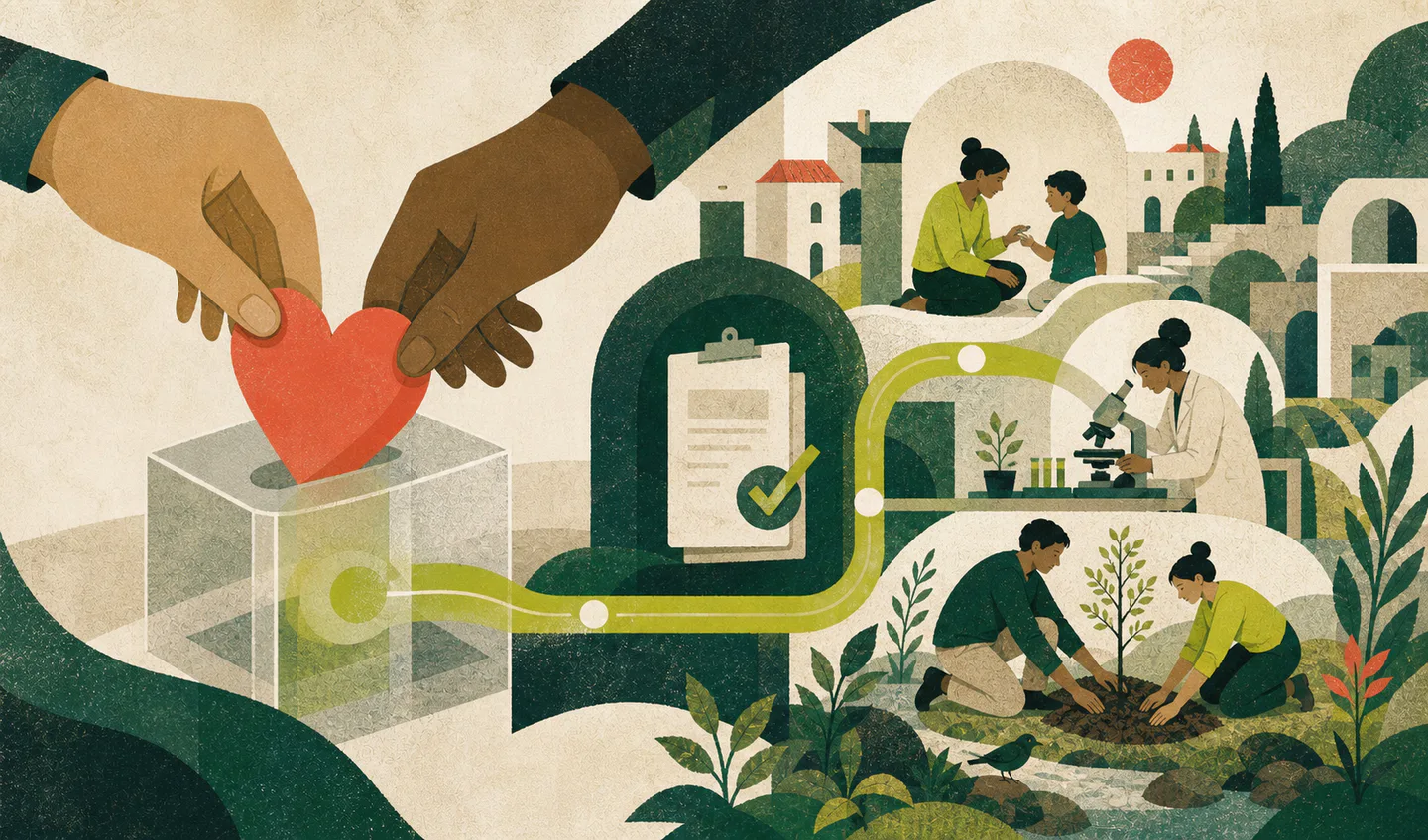
Distance support is a regular contribution — usually monthly or yearly — that helps a child, or their community, access essentials such as education, food, health care and water. It is neither adoption nor a transfer of money into one person’s hands. It is a continuing commitment that supports a pathway over time.
The value is not in “owning” a relationship; it is in making support continuous. That is what distinguishes sponsorship from an occasional gift: the promise to be there next month too.
Where your money goes
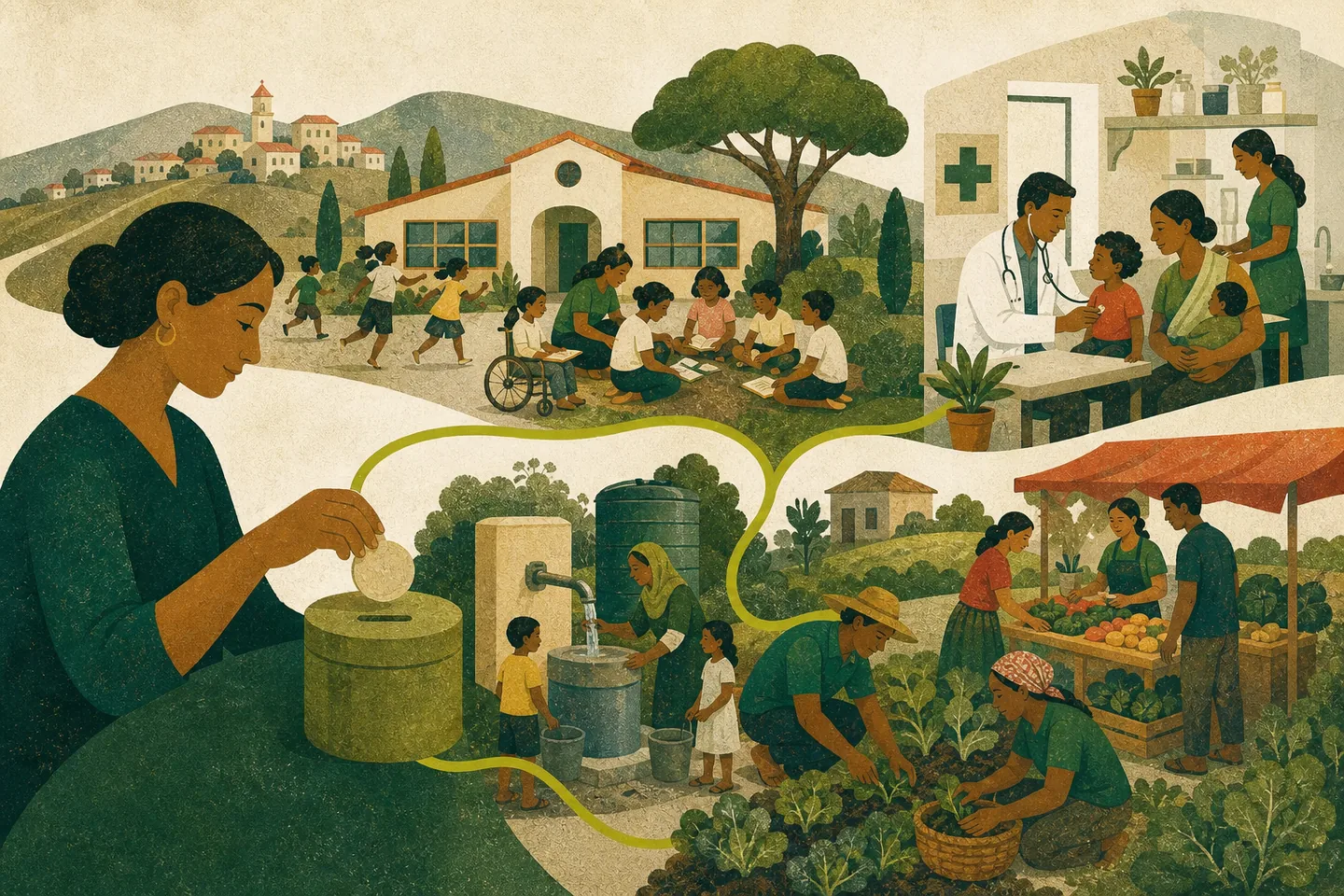
This is where transparent organizations are clear. In most serious programmes, your contribution does not go directly into the pocket of one child. It supports that child within their context — their school, clinic, village or family services.
There is a precise reason. Privileging one child in a poor community can create imbalance, isolation, envy and dependency. Strengthening a school, water point or health service supports that child and their peers, while building something that remains when one sponsorship ends. It is the difference between helping one person briefly and helping keep the whole community’s boat afloat.
Do not be seduced by promises of an exclusive, idealized relationship with “your” child. A serious organization explains its model — more individual-focused or more community-focused — and clearly shows how resources are divided between field work, monitoring and administration.
Reasonable questions — and how to answer them
It is natural to hesitate before beginning distance support. The most common doubts all have an honest answer.
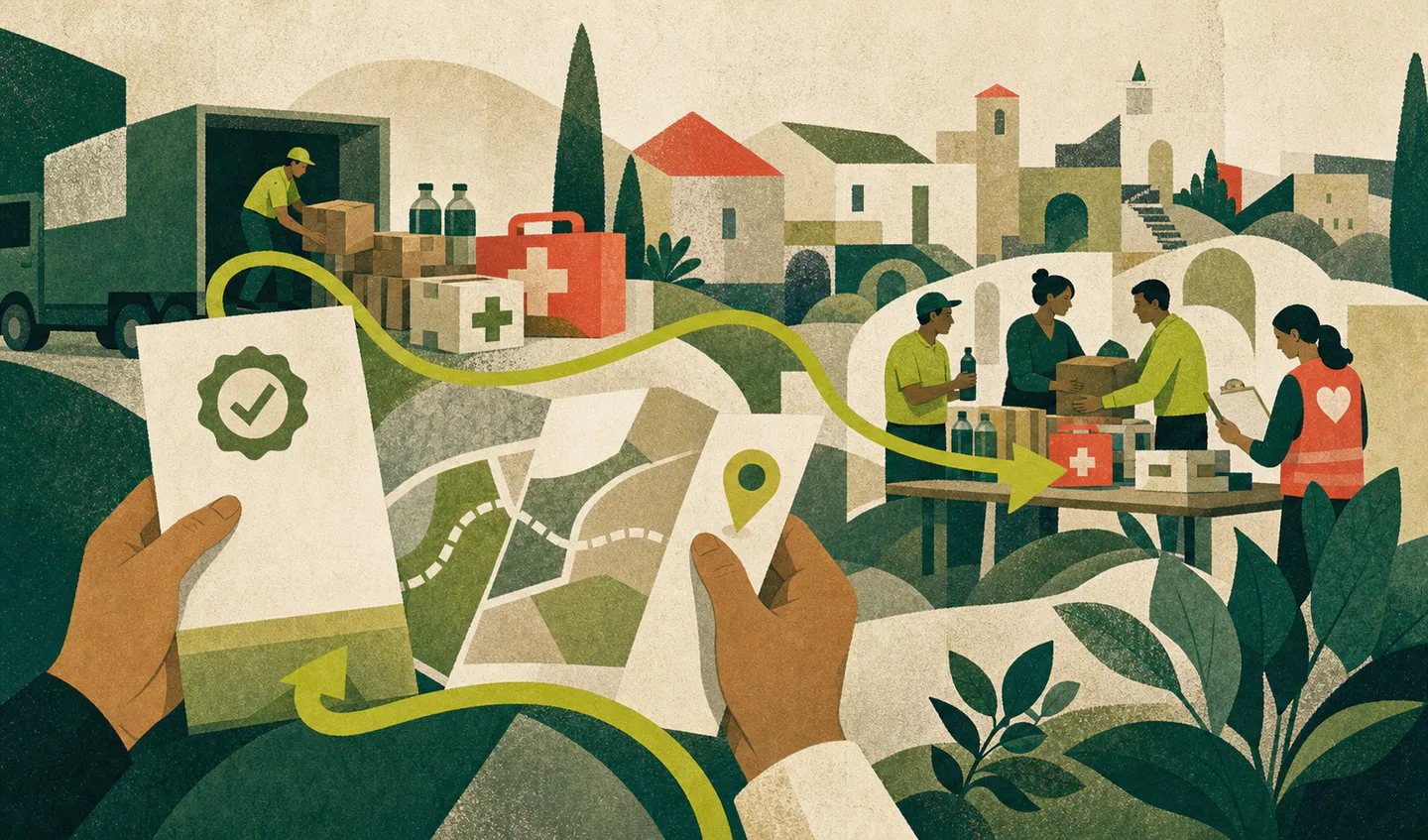
“Does the money really arrive?” This is the right question. Check accounts, reporting and documented results, as you would for any donation.
“Is it only charity?” It is if it only patches a problem; it is not when it supports education and services that help a community become more self-reliant.
“Why can’t I help the child directly?” Because helping within the child’s context generally works better and causes less harm than separating one person from everyone around them.
What you receive — and what you do not
You may receive updates, photographs, letters and reports of a project’s progress. That is meaningful. But the relationship is about support, not possession: do not expect, and be wary of anyone implying, a family-like bond or rights over a child. The real satisfaction is helping keep a school open, not collecting postcards.
Privacy, safety and dignity must come before a supporter’s desire for detail. If updates are less personal than you imagined, that may indicate sound safeguarding rather than poor communication. A responsible organization does not turn a child’s vulnerability into promotional material.
Tax treatment
For tax purposes, distance support is a donation like any other. If the organization is an ETS registered with RUNTS, the legal conditions are met and the payment is traceable, your contribution may qualify for the tax credit or income deduction applicable to charitable gifts. In practice, the same rules apply as for any other donation; the details are in the guide to donating well.
Not only abroad
Distance support usually brings faraway villages to mind, and that is the most familiar form. But projects also operate in Italy, supporting children and families facing hardship here. If a need closer to home speaks to you more strongly, this is an equally valid route and may let you observe the effect of your contribution more closely.
How much it costs and how to begin
Amounts vary from project to project, but distance support is designed to be accessible to many people: it normally involves a modest monthly or annual contribution. It is not a lifelong obligation. You can stop, and a responsible organization explains from the outset what happens in that case, both for you and for the project you were supporting. To begin, choose the organization, reach its official website and activate support through its own channels using the correct details.
How to choose a serious organization
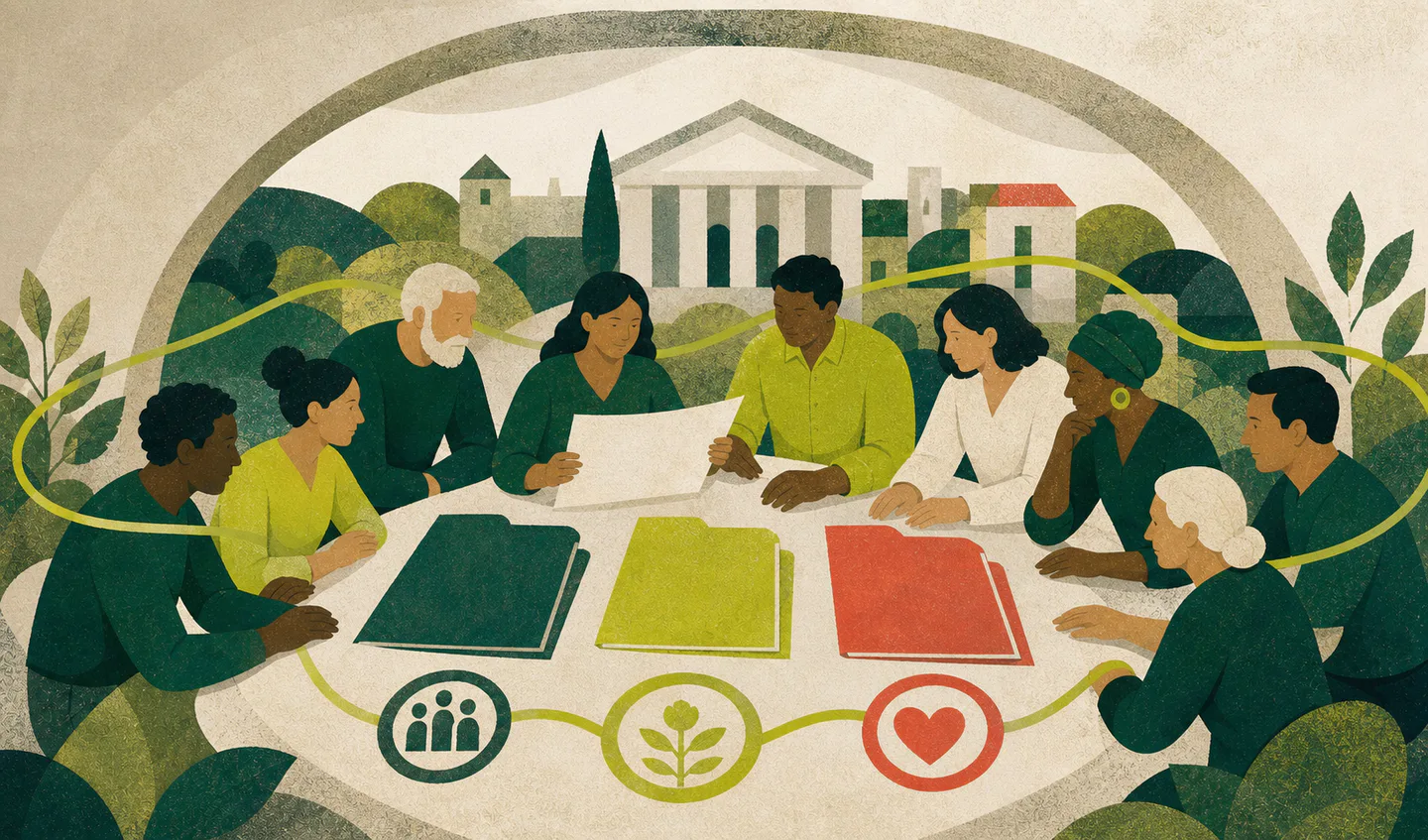
The usual criteria apply — RUNTS registration, transparent accounts and documented results — along with some questions specific to this kind of support:
Where exactly does my contribution go: to the child or to the community?
How are project costs allocated and reported?
What happens if I stop supporting, or if the child leaves the project?
Does the organization follow recognized guidelines and provide verifiable reporting?
An organization that answers these questions clearly deserves your trust; one that evades them does not.
On NonProfit.it you can find organizations by cause and location, compare them and reach their official website, where you can activate support using their correct details. To assess them thoroughly, read the guide to choosing an organization.
Distance support works when you stop thinking of it as adoption and see it for what it is: a steady, modest and valuable commitment that helps a child grow by sustaining the world around them. Less fairy tale, more continuity — and that is precisely its strength.